Style
Barrel Racing Saddle vs Trail Saddle
Aug
Distance.
Endurance.
Barrel Racing Saddle vs Trail Saddle:
What’s the Difference?
Choosing between a barrel racing saddle and a trail saddle can be confusing, especially for riders who want one saddle for multiple purposes. While both are western saddles, they are built for completely different riding styles and performance needs.
Using the wrong saddle can affect your comfort, balance, and even your horse’s movement. That’s why understanding the differences is essential before making a purchase.
In this guide, we break down the key differences between barrel racing saddles and trail saddles — so you can choose the right option for your riding goals.
What Is a Barrel Racing Saddle?
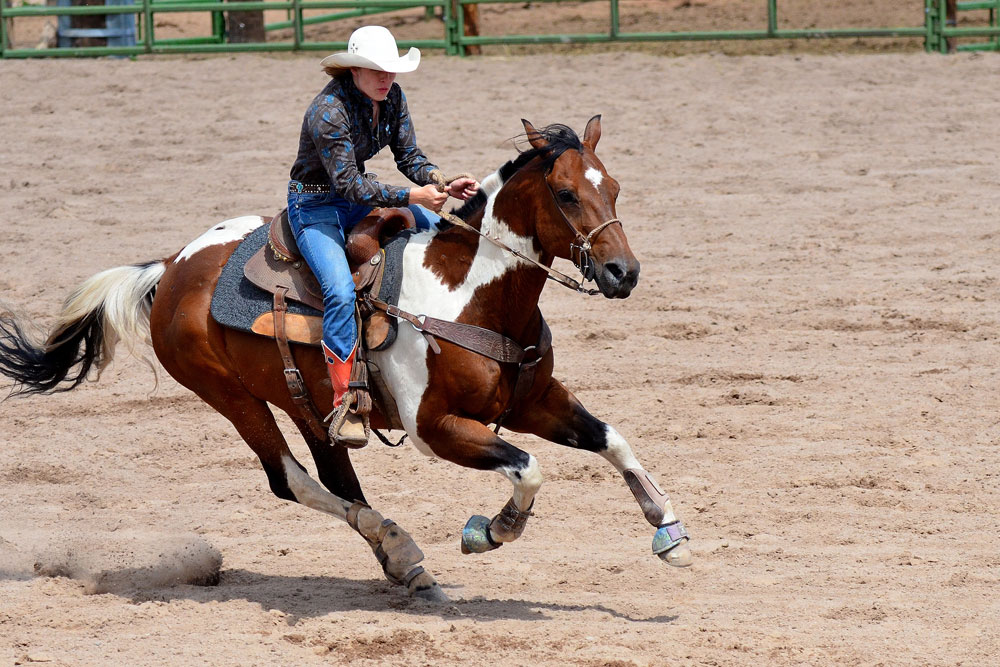
A barrel racing saddle is specifically designed for speed, agility, and tight turns around barrels. Every element of the design serves a performance function — nothing is decorative.
These features help riders stay balanced during fast, aggressive runs — every design choice is intentional for competition performance.
A barrel saddle isn’t just lighter — it’s engineered. From the forward stirrup placement to the tight seat, everything reduces the distance between horse and rider for maximum responsiveness at speed.
What Is a Trail Saddle?
A trail saddle is built for long-distance comfort and relaxed riding over varied terrain. Where a barrel saddle optimizes for seconds, a trail saddle optimizes for hours.
Trail saddles sacrifice speed for endurance — designed for all-day riding, not split-second competition runs.
- Padded seat for comfort
- Lower cantle
- Heavier, durable build
- Longer skirt
- Multiple attachment points for gear
Designed for hours in the saddle — not speed. Trail saddles are built to keep you comfortable across long distances and varying terrain, where durability matters more than grams saved.
Key Differences Between Barrel and Trail Saddles
At a glance — how these two western saddles stack up across every major design factor:
| Feature | Barrel Saddle | Trail Saddle |
|---|---|---|
| Primary purpose | Speed & competition | Comfort & distance |
| Seat style | Deep & secure | Soft & padded |
| Build weight | Lightweight | Heavier build |
| Skirt length | Short skirt | Longer skirt |
| Cantle height | High cantle | Lower cantle |
| Stirrup position | Forward-hung | Standard position |
| Gear attachment | Minimal | Multiple points |
1. Purpose and Riding Style
- Built for comfort and long rides
- Prioritizes endurance over performance
Barrel saddles prioritize control. Trail saddles prioritize comfort. They serve opposite goals — using one in place of the other is always a compromise.
2. Seat Design and Security
- Softer, flatter seat allows movement
- Freedom to shift position over hours
Barrel saddles give more security during sharp turns. Trail saddles give more freedom for long-distance shifting — each seat design serves its intended discipline.
3. Weight and Performance
Barrel saddles are intentionally built light — less saddle weight means faster acceleration and less fatigue on the horse during explosive runs. Trail saddles are built heavier to withstand the wear and durability demands of long-distance riding across varied terrain.
Weight directly impacts performance. A lighter saddle means faster horse movement. A heavier saddle means longer-lasting durability. Neither is better — they’re different tools.
4. Skirt Length and Horse Mobility
- Longer skirt distributes weight
- Provides stability over extended time
Short skirts help in tight barrel turns by keeping the saddle out of the horse’s way. Long skirts help distribute load over extended rides — the right choice depends entirely on your discipline.
Can You Use a Barrel Saddle for Trail Riding?
Yes — but with some important limitations worth understanding before you hit the trail.
- Short trail rides
- Light, casual riding sessions
- Riders already comfortable in a deep seat
- Long-distance trail riding
- All-day comfort in the saddle
- Carrying trail gear or saddlebags
The deeper seat and lighter padding can become uncomfortable over extended time in the saddle. For occasional shorter trail rides it’s manageable — for serious trail work, invest in the right tool.
Can You Use a Trail Saddle for Barrel Racing?
Technically yes — but it is not recommended, and here’s why it matters for both performance and safety.
- Lack security needed for fast turns
- Heavier build slows the horse down
- Don’t provide the same rider control
- Flatter seat reduces stability at speed
Using a trail saddle for barrel racing can negatively affect your competition times and put both horse and rider at unnecessary risk during tight, high-speed maneuvers.
The wrong saddle in competition isn’t just a performance issue — it’s a safety concern. The right tool is always worth the investment.
Which Saddle Should You Choose?
The answer comes down to your riding goals. Here’s a simple decision guide:
- Ride for long hours over varied terrain
- Prioritize comfort above all else
- Don’t need speed or competition-level agility
- Carry gear and equipment on the trail
If barrel racing is your focus — even casually — a barrel saddle is the clear winner. It’s the difference between the right tool and a compromise that holds you back.
SHOP HIGH-QUALITY BARREL RACING SADDLES
The right saddle makes all the difference. Browse our collection designed for speed, comfort, and performance.
Still deciding? Use our size guide or browse the full collection to find the right saddle for your riding goals.
