FAQs

Find answers to the most common questions about barrel racing saddles, sizing, fit, performance, and gear. Explore expert guidance to help you choose the right saddle and improve your ride.

Choosing a Barrel Saddle

The best barrel racing saddle is lightweight, well-balanced, and designed with a deep seat for stability. It helps riders maintain control during fast turns and high-speed runs.

Most riders use barrel saddles between 14” and 16”, depending on body size and comfort. Proper saddle fit ensures better balance, control, and riding performance.

Choose a barrel saddle based on seat size, horse fit, weight, and riding style. A well-fitted saddle improves comfort, stability, and overall performance in the arena.

Beginner riders should choose a lightweight barrel saddle with a secure seat and comfortable fit. This helps build confidence while improving balance and control.
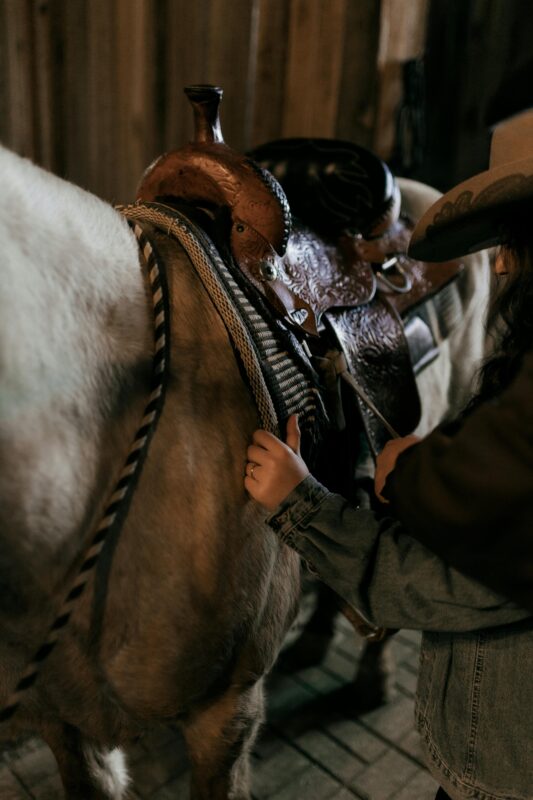

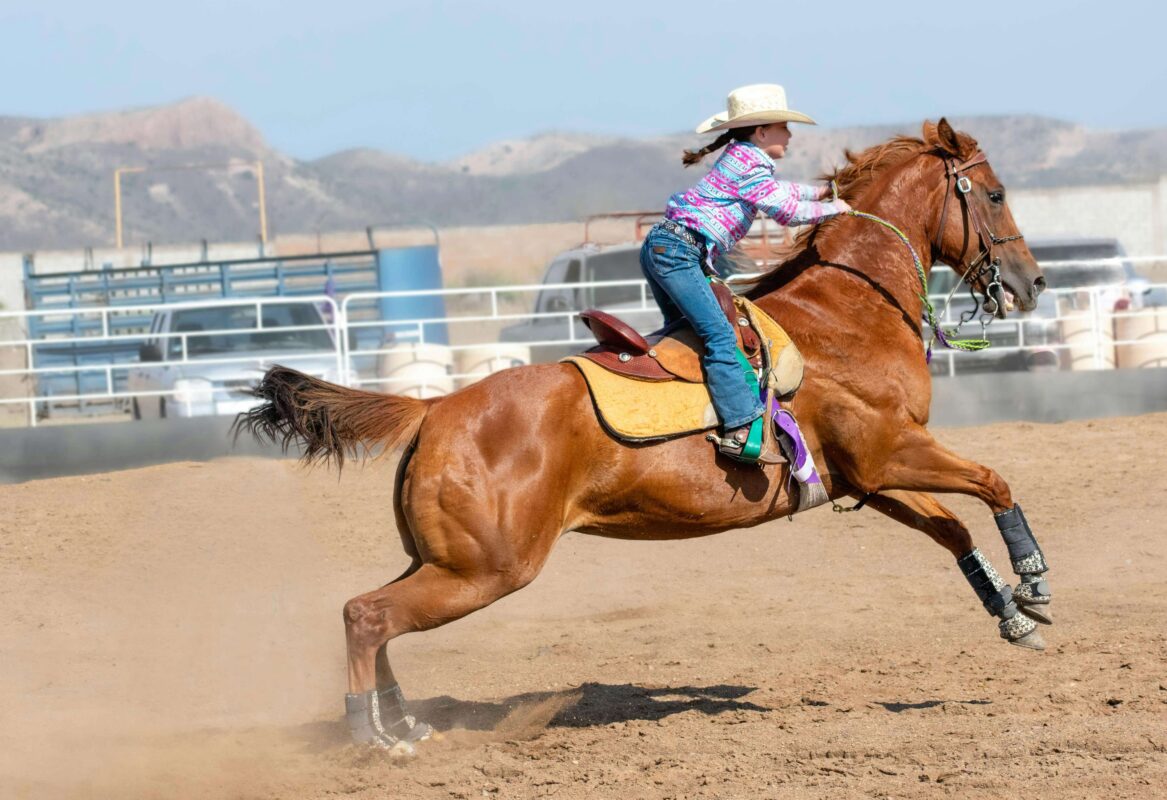
Barrel racing rider using a western saddle during a fast turn

Fit & Comfort

A barrel saddle should sit evenly on the horse’s back without pressure points or gaps. Proper fit ensures comfort, prevents injury, and improves performance.

Most barrel horses use a full quarter horse bar, but fit depends on the horse’s build. The correct tree size ensures even weight distribution and comfort.

A properly fitted saddle sits level, does not rock, and allows free movement for the horse. It should feel stable and comfortable for both horse and rider.

The rider should sit centered with a small gap between the seat and thighs. A proper fit allows better balance, control, and comfort during fast runs.

Western saddle properly fitted on a horse for comfort and performance

Types & Comparisons

Barrel saddles are lighter with deeper seats for speed and tight turns, while roping saddles are heavier and built for strength during rope work.

Yes, barrel saddles can be used for trail riding, but they are designed mainly for speed events. Some riders prefer them for their lightweight feel and comfort.

Yes, barrel saddles can be used for everyday riding if they fit properly. They offer comfort and control but are optimized for performance riding.

Barrel saddles are designed for speed, agility, and balance. They typically have a deep seat, high cantle, and lightweight construction.

Different types of western saddles including barrel and roping saddles

Performance & Features

Barrel saddles are lightweight to improve speed and allow quick movements. This helps riders stay balanced during fast turns and competitive runs.

A deep seat saddle has a higher cantle and deeper pocket, helping the rider stay secure. It is ideal for barrel racing and other performance events.

A good barrel saddle should have a deep seat, strong tree, quality leather, and balanced design. These features improve stability, comfort, and performance.

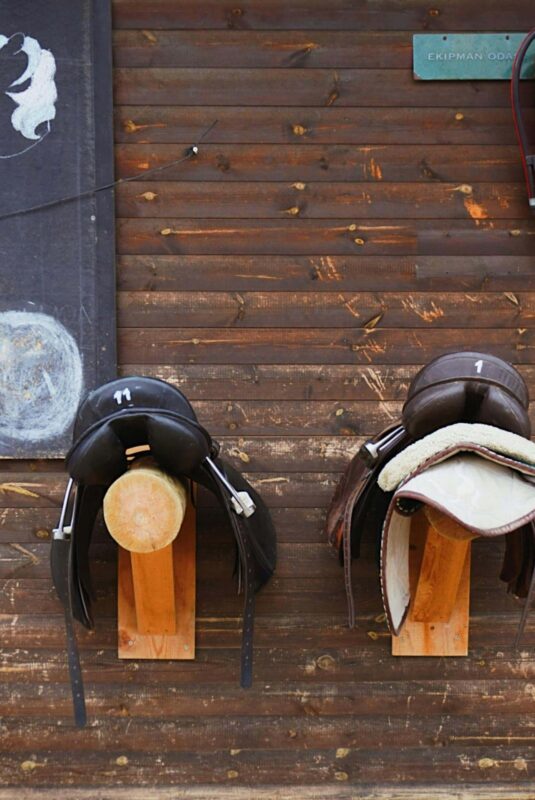
Close-up of barrel racing saddle showing seat, horn, and leather details

Buying & Pricing

Barrel saddles can range from a few hundred to several thousand dollars. Price depends on materials, craftsmanship, and performance features.

Higher-priced barrel saddles often offer better materials, durability, and performance. They can be a worthwhile investment for serious riders.

Look for proper fit, quality leather, strong construction, and comfort. A well-built saddle improves both rider performance and horse comfort.

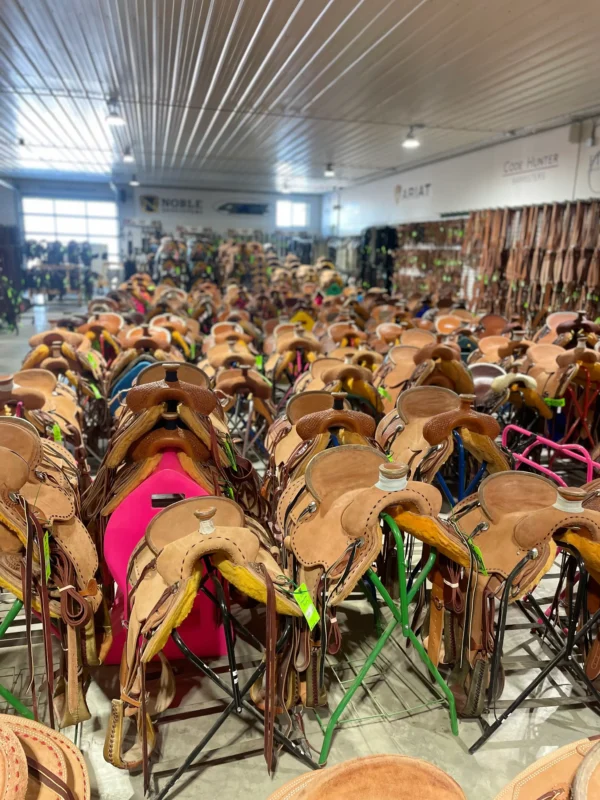
Western saddles displayed for sale in a tack shop

Gear & Accessories

Yes, barrel saddle pads are designed for shock absorption and proper fit. They help protect the horse and improve saddle stability.

Barrel racing tack includes a saddle, breast collar, saddle pad, bridle, and often spurs. Each piece supports control, speed, and performance.

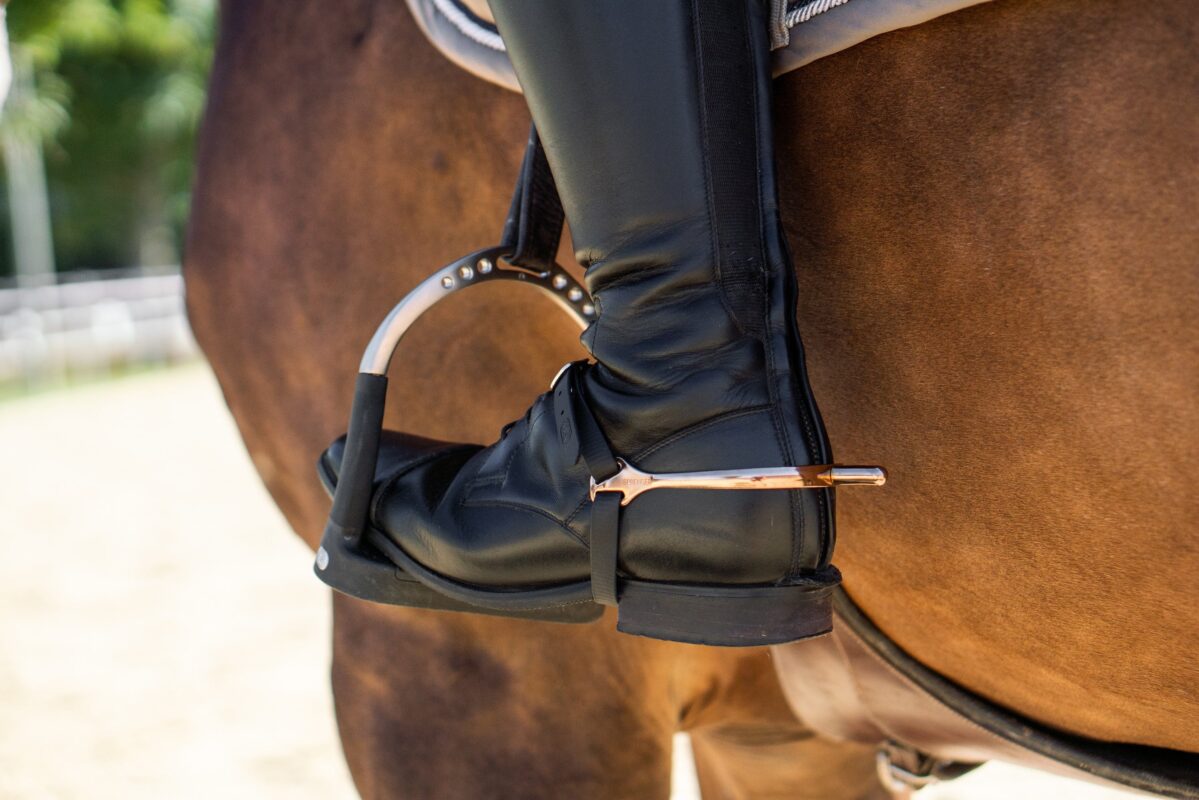
Barrel racing tack including spurs, breast collar, and saddle setup